Industrial Real Estate Has Become One of the Hottest Property Types
Industrial real estate has become one of the strongest-performing sectors in commercial real estate over the past decade. From warehouses and fulfillment centers to flex industrial buildings, these properties play a critical role in keeping supply chains moving and businesses operating efficiently.
However, not every industrial property offers the same investment potential. Successful industrial real estate investing involves much more than buying a warehouse with a good location. Investors evaluate how well a property supports modern business operations, whether it can attract quality tenants, and how reliably it can generate long-term income.
By understanding the key factors that influence industrial property performance, investors can make smarter acquisition decisions and build stronger commercial real estate portfolios.
Understanding the Different Types of Industrial Properties
Industrial real estate includes several property types, each designed to serve different operational needs.
The most common include:
- Warehouses: Primarily used for storing inventory and goods.
- Distribution centers: Facilities designed to receive, sort, and ship products efficiently across regional or national networks.
- Flex industrial buildings: Properties that combine warehouse space with offices, showrooms, or light manufacturing areas.
- Manufacturing facilities: Buildings designed specifically for production and assembly operations.
Each property type attracts different tenants and carries unique investment considerations. A regional distribution center, for example, may appeal to national logistics companies, while a smaller flex building could attract local service businesses or technology firms.
Understanding how a building is intended to function helps investors evaluate whether it aligns with current tenant demand and long-term market needs.
Demand Drivers Shape Industrial Property Value
Industrial real estate is fundamentally demand-driven. Businesses lease these properties because they need efficient spaces to manufacture products, store inventory, or distribute goods.
Several long-term trends continue to support demand for industrial facilities, including:
- Growth in e-commerce
- Expanding logistics networks
- Supply chain modernization
- Increased inventory storage requirements
- Manufacturing and light industrial activity
Rather than depending on consumer traffic like retail properties, industrial buildings generate value by helping businesses operate more efficiently. Properties that reduce transportation costs, improve shipping times, or simplify inventory management are often more attractive to tenants.
While market conditions naturally fluctuate, buildings that support evolving logistics and operational needs tend to maintain stronger occupancy over time.
Key Physical Features Investors Evaluate
One of the defining characteristics of industrial real estate is that physical building features directly affect tenant usability. Even two warehouses of similar size can have very different investment potential depending on how efficiently they support business operations.
Clear Height
Clear height refers to the usable vertical distance between the floor and the lowest overhead obstruction.
Higher clear heights allow tenants to install taller storage systems, maximize inventory capacity, and improve warehouse efficiency. As modern logistics operations rely increasingly on vertical storage, buildings with greater clear heights are often more competitive.
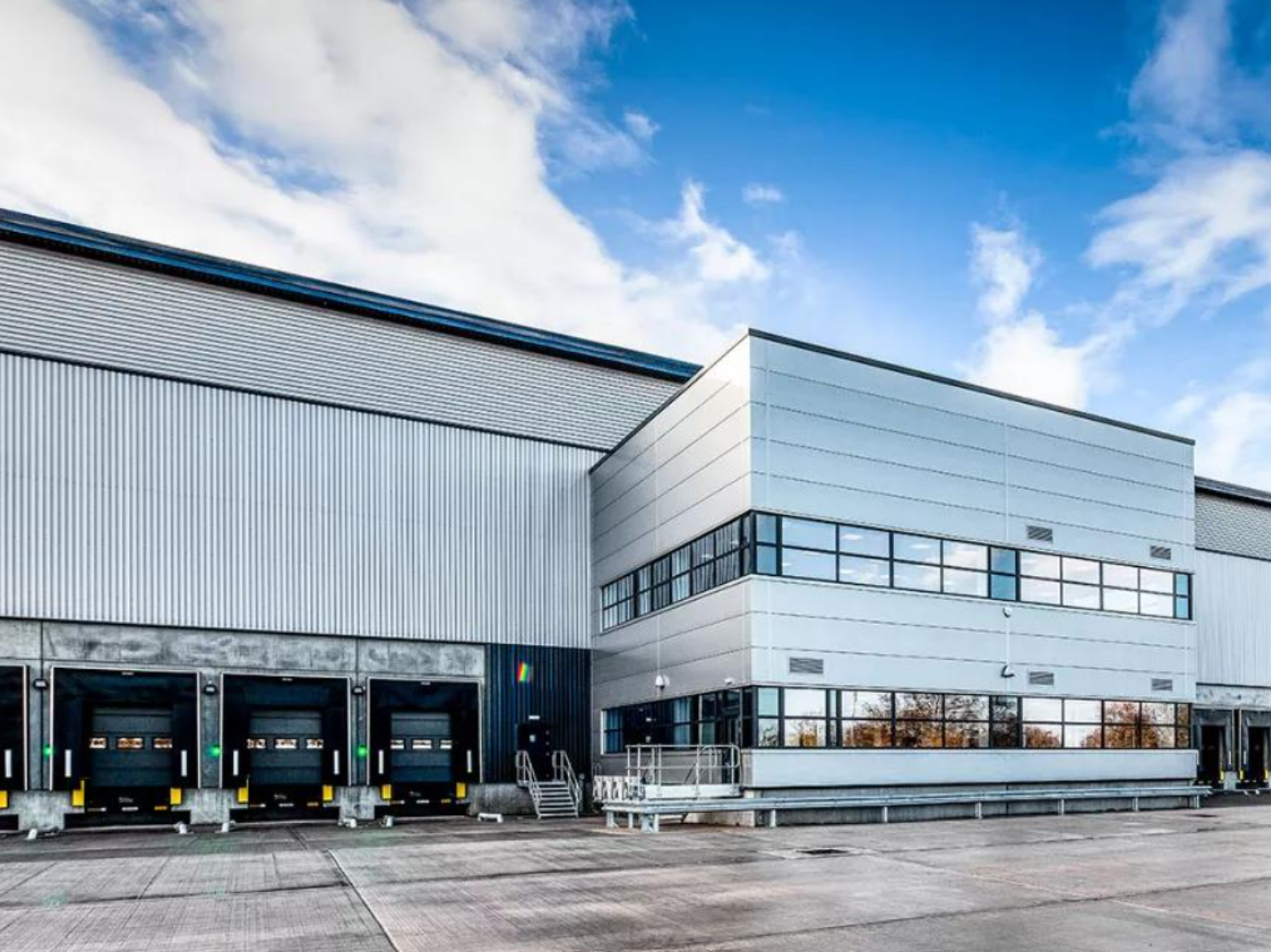
Loading Docks
Loading docks play a major role in daily warehouse operations.
Investors typically evaluate:
- Number of dock-high doors
- Grade-level access
- Loading efficiency
- Truck circulation
Buildings with well-designed loading areas can process shipments faster and accommodate a wider variety of tenants.
Column Spacing
Interior support columns reduce usable warehouse space.
Wider column spacing provides greater flexibility for storage layouts, equipment installation, and forklift movement, making the property more functional for industrial users.
Truck Courts
Truck courts provide the maneuvering space needed for tractor-trailers to load, unload, and move safely throughout the property.
Adequate truck courts improve operational efficiency while making the property more attractive to logistics companies and distribution tenants.
Tenant Profile and Lease Structure Matter
Industrial investors don’t evaluate buildings in isolation. The tenant occupying the property, and the lease supporting the income stream, are equally important.
A financially stable tenant with a long-term lease generally creates more predictable cash flow than a short-term tenant with uncertain financial strength.
Investors commonly review:
- Remaining lease term
- Tenant creditworthiness
- Renewal history
- Rent escalation clauses
- Occupancy stability
Many industrial properties operate under triple-net (NNN) leases, where tenants are responsible for property taxes, insurance, and maintenance costs in addition to base rent. Because operating expenses are largely passed through to tenants, these leases often provide more predictable returns for property owners.
Although every lease should be evaluated individually, stable tenants combined with well-structured lease agreements can significantly strengthen an industrial property’s investment profile.
Location Remains a Competitive Advantage
Location continues to influence industrial property performance, although the priorities differ from retail or office real estate.
Instead of focusing on visibility or walk-in traffic, investors evaluate how efficiently a location supports transportation and logistics.
Important considerations include:
- Access to major highways
- Proximity to ports, airports, and rail terminals
- Efficient regional transportation networks
- Availability of a qualified workforce
- Compatibility with surrounding industrial uses
Properties that reduce travel time and transportation costs often remain attractive to tenants over the long term, helping owners maintain occupancy and support stable rental income.
Financial Evaluation: Looking Beyond the Purchase Price
Industrial real estate investing ultimately comes down to one question: How much reliable income can this property generate?
Rather than focusing only on appreciation, investors analyze financial performance using several key metrics.
Net Operating Income (NOI)
NOI represents the property’s annual income after operating expenses, but before financing costs and taxes. Higher and more stable NOI generally translates into higher property value.
Investors examine:
- Current rental income
- Vacancy levels
- Operating expenses
- Maintenance costs
- Future income growth potential
Capitalization Rate (Cap Rate)
The cap rate helps estimate a property’s value by comparing its NOI to its purchase price.
A simplified example:
- Property NOI: $500,000
- Market cap rate: 6%
- Estimated property value:
$500,000 ÷ 0.06 = $8.33 million
Lower cap rates often indicate stronger investor demand and lower perceived risk, while higher cap rates may reflect greater uncertainty or higher expected returns.
Understanding how NOI and cap rates work together is one of the most important parts of evaluating any commercial investment.
Risks Investors Consider
Even strong industrial assets carry risks. Successful investors look beyond today’s performance to identify issues that could affect future income or resale value.
Common considerations include:
Functional Obsolescence
Industrial requirements evolve over time. Older buildings may lack features modern tenants expect, such as:
- Higher clear heights
- Additional loading docks
- Larger truck courts
- Modern electrical capacity
- Flexible warehouse layouts
Properties that cannot adapt may become less competitive as tenant expectations change.
Single-Tenant Risk
Many industrial properties are leased to a single occupant. While this can provide stable income during the lease term, it also creates concentration risk.
If that tenant vacates, the owner could face:
- Extended vacancy
- Repositioning costs
- Leasing commissions
- Tenant improvement expenses
The tenant’s financial strength and the remaining lease term become especially important in these situations.
Market Changes
Although industrial real estate has benefited from long-term logistics growth, supply and demand still fluctuate over time. Investors monitor new construction, vacancy trends, and changing business needs to understand how market conditions could affect future performance.
Frequently Asked Questions
Is industrial real estate a good investment?
Industrial real estate has become one of the strongest-performing commercial property sectors because of ongoing demand from logistics, manufacturing, and e-commerce businesses. However, investment success depends on selecting properties with strong locations, functional design, reliable tenants, and healthy financial performance.
What clear height is considered good?
While requirements vary by tenant, many modern distribution facilities look for clear heights of 32 to 40 feet or more to maximize storage capacity and improve operational efficiency.
Are industrial leases usually NNN?
Yes. Triple Net (NNN) leases are common in industrial properties, allowing tenants to pay many operating expenses in addition to base rent. This structure can create more predictable cash flow for property owners.
Final Thoughts
Industrial real estate investing involves much more than purchasing a warehouse. Investors evaluate how well a property serves modern business operations, how dependable its income stream is, and whether it can remain competitive as tenant needs evolve. By understanding these factors, buyers can make more informed investment decisions and identify assets positioned for long-term performance.
Looking for guidance on evaluating industrial investment opportunities? Commercial Partners Realty helps investors and business owners analyze industrial properties, understand key financial metrics, and identify assets that align with their long-term investment goals. Contact our team to learn how we can support your next commercial real estate decision.